Releasers
Releaser guide: clutch release bearing selection and symptoms
REVOL releaser guide: 51 clutch release bearing codes for Mercedes-Benz, Volvo, Renault Trucks, MAN, DAF and more; OE-based selection and symptoms.
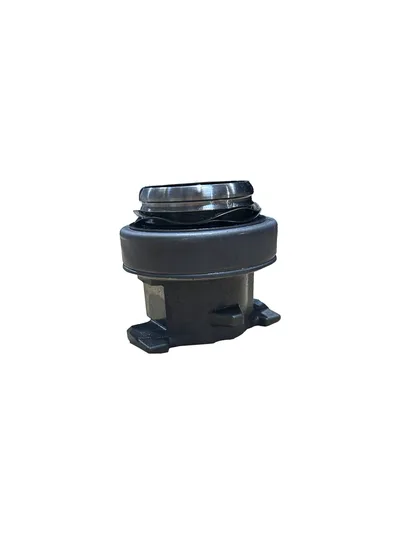
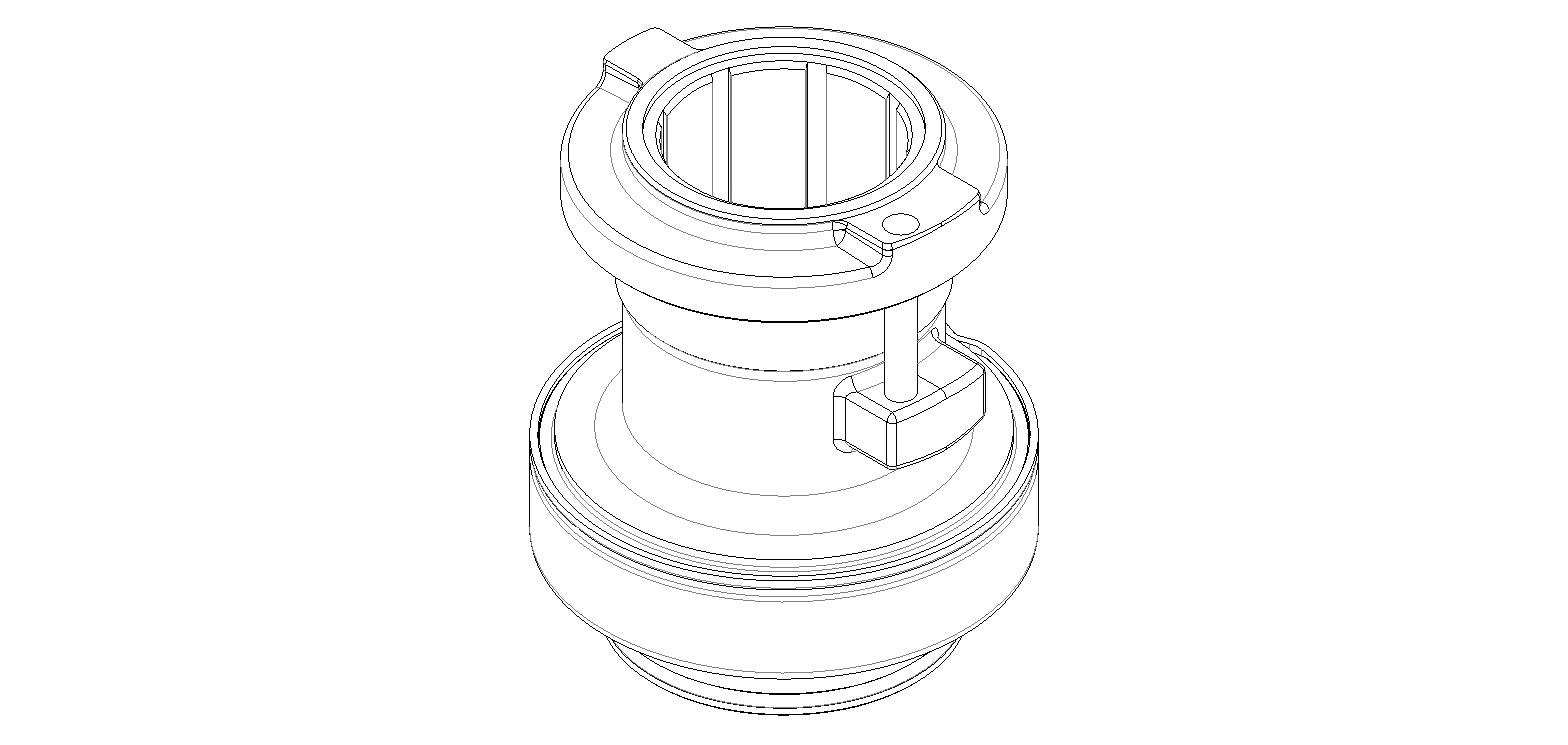
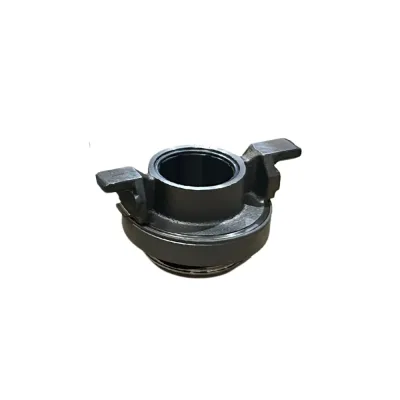
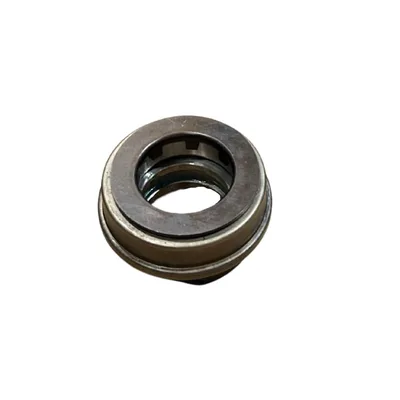
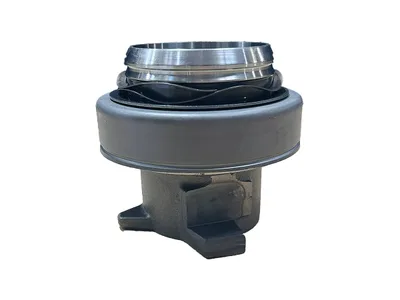
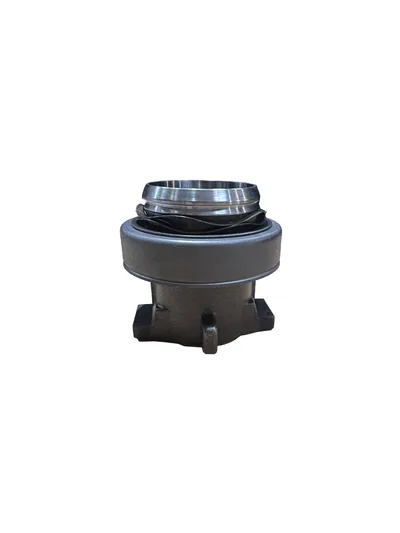
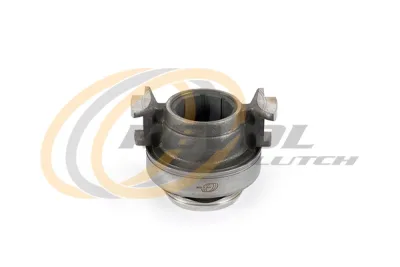
A releaser, also known as a clutch release bearing, is the rolling-element component that transfers the movement of the clutch pedal to the diaphragm spring of the rotating pressure plate and so disengages the clutch. Under the REVOL brand, Özteknik offers 51 releaser codes for heavy-duty vehicles, with the widest coverage for Mercedes-Benz, Volvo, Renault Trucks, MAN and DAF. All codes are listed in the Releasers catalogue.
What is a releaser and what does it do?
On trucks, tractors and buses the clutch consists of the flywheel, the clutch disc, the pressure plate and the releaser. The releaser slides axially on the guide sleeve around the gearbox input shaft and, usually via the release fork, transfers the force of the clutch servo or hydraulic actuation to the diaphragm spring. When the pedal is pressed, the bearing acts on the diaphragm spring fingers, the clamping force of the pressure plate on the disc is released and the engine is disconnected from the gearbox.
The releaser does more than transmit force: its balls absorb the speed difference between the stationary fork and the diaphragm spring rotating at engine speed. It must therefore be sealed, lubricated at the factory and resistant to heat, continuous load and dust.
Two basic designs are used on heavy-duty vehicles:
- Push-type system: The bearing pushes the diaphragm spring fingers towards the flywheel. It works by pressing on the spring and is not mechanically locked to the pressure plate.
- Pull-type system: The bearing is locked to the diaphragm spring by a connecting ring and pulls the spring away from the flywheel. In these systems, correct attachment to the pressure plate, the attachment kit and the removal and fitting procedure are especially important.
How to choose the right releaser
The housing, contact face, guide bore and fork connection of the bearing vary with the vehicle and the clutch type. We do not publish a dimension range for this category; the OE number is the basis for selection. We recommend this order:
- OE number: Sample OE numbers: Volvo 85026472, Volvo 1668930, Volvo 1668938, Volvo 1672948, Volvo 20366912, Ford 501221020. Enter the number on the search page to find the matching REVOL code; cross-reference numbers of brands such as Sachs can also be searched.
- Vehicle make and model: For example Ford Trucks F-MAX and Cargo (Euro 6). Different bearings may be fitted within one model depending on gearbox and clutch type.
- Clutch type: Push-type and pull-type bearings are not interchangeable.
- Matching pressure plate: The contact face of the bearing must suit the diaphragm spring geometry of the pressure plate.
| Feature to check | How to confirm it |
|---|---|
| OE number | Vehicle manufacturer's parts catalogue or label on the removed part |
| Operating type (push / pull) | Removed bearing and pressure plate type |
| Fit on the guide sleeve | Comparison with the removed bearing |
| Contact face to diaphragm spring | Checked together with the pressure plate |
| Fork contact points | Comparison of fork and bearing housing |
Confirm before ordering: Compare the removed bearing side by side with the new part; bearings that look alike may differ in guide bore, contact face or locking design.
Failure symptoms
- Noise that rises when the pedal is pressed: Whining, rustling or squealing that starts or increases with the pedal pressed points to bearing wear or loss of lubricant.
- Constant noise at idle: In systems where the bearing is in permanent contact with the diaphragm spring, a worn bearing can be heard even with the pedal released.
- Pedal vibration: Damaged balls or a damaged contact face are felt as vibration at the pedal.
- Incomplete release: Gears are hard to engage or crunch; the bearing may be sticking on the guide sleeve or, on a pull-type system, the connection may be faulty.
- Pedal return sticking: A bearing binding on the guide sleeve makes the pedal return stiffly or unevenly.
- Findings on removal: Heat discoloration of the housing, grease leakage, rough rotation by hand and pronounced wear marks on the diaphragm spring finger tips.
Inspection and replacement
Because the bearing cannot be seen without removing the gearbox, the first diagnosis relies on noise and pedal feel: note whether the noise appears when the pedal is pressed and disappears when it is released. During removal, check the following:
- Turn the bearing by hand; replace it if rotation is rough, there is axial play or grease is leaking.
- Check the guide sleeve surface for scoring, wear and corrosion; a worn sleeve will make a new bearing stick as well.
- Inspect the release fork, its pivot and bushes for wear and play.
- Assess the contact marks on the diaphragm spring finger tips; uneven wear may mean the pressure plate also needs replacing.
The releaser wears together with the disc and the pressure plate. We therefore recommend renewing the bearing at every clutch replacement; leaving the old bearing in place with a new clutch can mean another gearbox removal soon afterwards.
Do not wash the bearing itself or lubricate it additionally; apply only a thin film of the grease recommended by the vehicle manufacturer to the guide sleeve and fork contact points. On pull-type systems, confirm that the bearing is fully locked to the pressure plate using the method described by the manufacturer. The tightening torque and procedure given in the vehicle manufacturer's service manual must be followed; after fitting, adjust the clutch actuation, including bleeding where required, according to the manufacturer's instructions.
Safety: Clutch parts must be fitted by qualified personnel. Do not start removal until the vehicle is securely supported and the gearbox is carried on a suitable transmission jack.
Production and testing at Özteknik
REVOL is Özteknik's clutch brand, established in 2013. Özteknik has been manufacturing in Kemalpaşa, İzmir since 1971 and keeps machining, heat treatment, surface preparation, assembly and testing in-house (production and R&D). REVOL releasers are produced to OE quality. The REVOL clutch test equipment includes the following tests, which relate directly to the bearing or to the pressure plate it works with:
- Bearing life testing machine: endurance of the bearing under continuous load and speed
- Clutch cover assembly comprehensive testing machine: release and engagement behaviour of the assembly as a whole
- Diaphragm spring load testing machine: force characteristic of the diaphragm spring the bearing acts on
- Diaphragm spring fatigue testing machine: endurance of the diaphragm spring under repeated load
Özteknik's quality management system is certified to IATF 16949:2016 and ISO 9001:2015; the certificates are available on the quality and certificates page.
Vehicles covered
REVOL releasers cover trucks, tractors and buses led by Mercedes-Benz, Volvo, Renault Trucks, MAN, DAF, Neoplan, Scania and Iveco; Mercedes-Benz vehicles account for the most codes. Sample products: RB1 000 144, RB1 000 157, RB1 007 303, RB1 000 034. For all other codes, see the releasers catalogue.
You can add the codes you need to your quote list or reach us via the contact page. OE numbers and brand names are given for comparison purposes only.
Frequently asked questions
How do I find a releaser by OE number?
Enter the vehicle manufacturer's part number on the ozteknikoto.com search page and the matching REVOL code is listed. Cross-reference numbers of brands such as Sachs can also be searched.
Are push-type and pull-type release bearings interchangeable?
No. A push-type bearing presses on the diaphragm spring, while a pull-type bearing locks onto the spring and pulls it; their housings and connections differ. Determine the correct type from the OE number and the removed part.
How can I tell that a releaser is failing?
The most typical sign is a whine or rustle that starts or increases when the clutch pedal is pressed. Pedal vibration, incomplete release, and rough rotation or grease leakage found on removal also point to bearing failure.
Should the releaser be replaced together with the clutch?
Yes, this is recommended. The bearing wears together with the disc and pressure plate, and keeping the old one can lead to another gearbox removal soon afterwards.
Does a release bearing need lubricating?
Release bearings are usually sealed and lubricated at the factory, so the bearing itself is neither washed nor greased. Only the guide sleeve and fork contact points receive a thin film of the grease recommended by the vehicle manufacturer.
Also available in: العربية, Deutsch, Español, Français, Italiano, Русский, Türkçe