Hydraulic Repair Kits
Hydraulic repair kit guide: selection, symptoms and overhaul
How to choose a hydraulic repair kit and when to use one: 11 HYDCAB codes for Scania, Renault Trucks, Volvo, DAF and Iveco, plus overhaul tips.
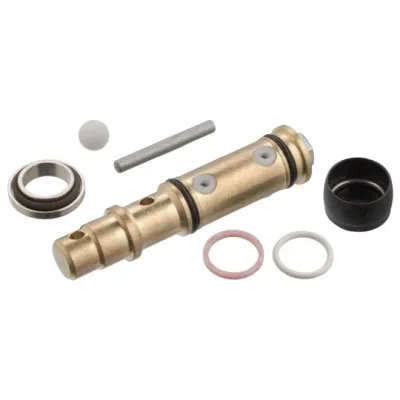
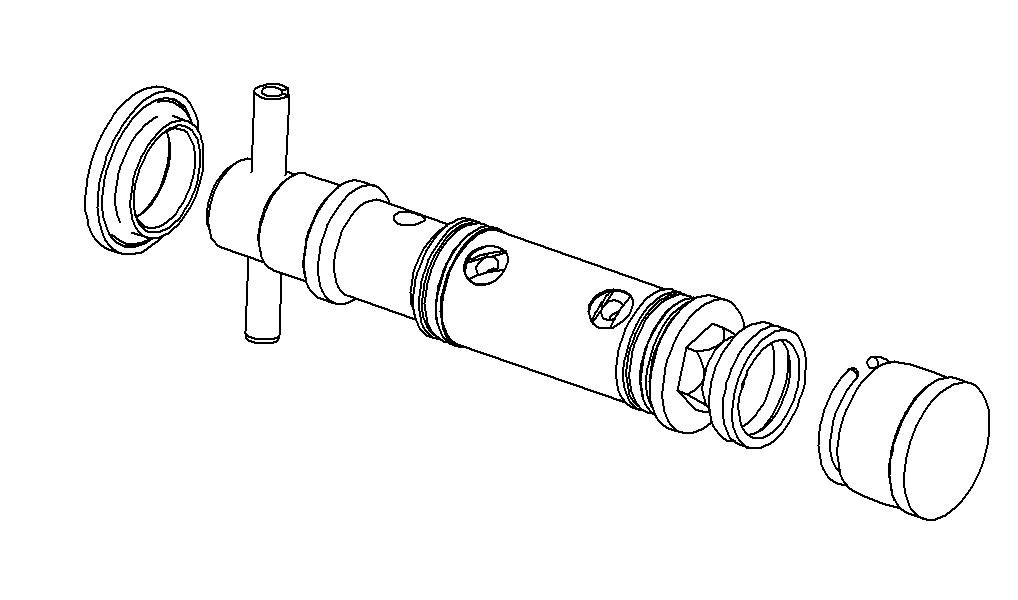
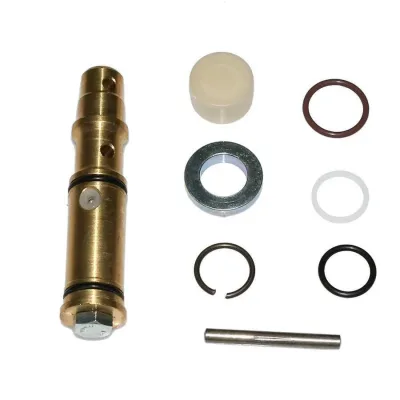
A hydraulic repair kit is a set of parts supplied together to renew the worn sealing elements of a hydraulic cylinder or pump. Under its HYDCAB brand, Özteknik offers 11 product codes in this category, covering Scania, Renault Trucks, Volvo, DAF and Iveco vehicles. All codes are listed in the hydraulic repair kits catalogue.
What is a hydraulic repair kit and what is it for?
On trucks and tractor units, hydraulic components such as the cabin tilting cylinder and the cabin tilting pump rely on seals that keep pressurised oil inside. Over time, heat, ageing, dirt and abrasive particles make these seals harden, crack or wear, and external leakage or internal leakage begins. If the metal parts, such as the cylinder tube, piston rod and pump body, are in good condition, the sealing elements can be renewed instead of replacing the whole component. A hydraulic repair kit brings together the parts needed for this job in one pack.
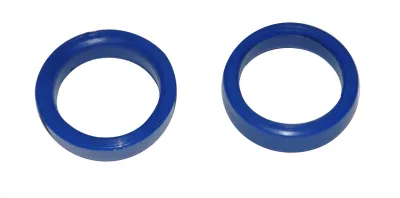
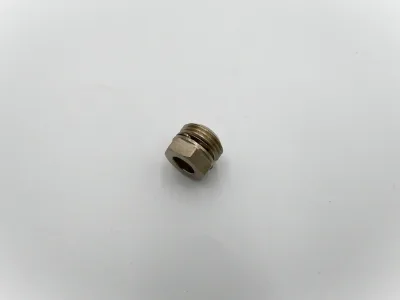
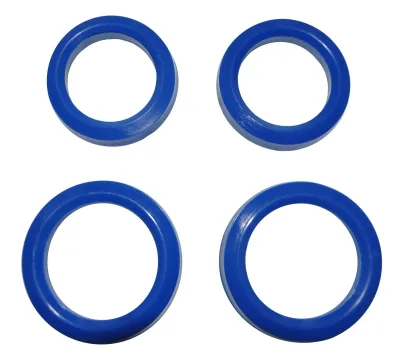
A kit typically contains piston and rod seals, a rod wiper, O-rings and backup rings; pump kits may also include valve seals. The exact content varies by code, so you can confirm the content of a kit with us before ordering. A repair kit is an economical way to extend the service life of a component, but it only gives the right result if the metal surfaces are undamaged.
How to choose the right repair kit
There is no dimension table in this category; the correct kit is identified by the OE number and the component to be repaired.
- OE number of the repair kit: Vehicle manufacturers usually give repair kits a part number of their own, separate from the component. Examples from the catalogue: Scania 1357380; Renault Trucks 5001867464 and 5001867466; as well as the numbers 1541980, 1541984 and 1645743. Enter the number in the OE number search to see the matching HYDCAB code.
- Component to be repaired: Establish whether the kit is for a cabin tilting cylinder, a cabin tilting pump or another hydraulic component, and note that component's OE number.
- Vehicle make and model: Different models of the same make can use different components and therefore different kits.
- Seal dimensions: Compare the old seals you remove side by side with those in the new kit; diameter, cross-section and shape must be the same.
| What to check | Where to confirm it |
|---|---|
| OE number of the repair kit | Vehicle manufacturer's parts catalogue |
| Component to be repaired and its OE number | Component label or parts catalogue |
| Vehicle make and model | Registration documents and chassis number (VIN) |
| Seal dimensions and cross-sections | Comparison with the old seals |
If the kit does not exactly match the component, it will not seal; always confirm the OE number and the component before ordering.
Failure symptoms
The following symptoms indicate that the sealing elements of a component need renewing:
- Visible oil leaks at the cylinder rod, the end caps or the pump body.
- The cylinder moves slowly, does not reach full stroke or cannot hold its position under load (internal leakage).
- The pump does not build up sufficient pressure or runs without effect.
- The oil level in the reservoir drops repeatedly.
- The rod wiper is torn and dirt and moisture collect on the rod.
- The cylinder moves jerkily or sticks.
- On dismantling, the seals are found to be hardened, cracked or crushed.
Inspection and overhaul
- First locate the source of the leak; the problem may also lie in a hose or a fitting.
- Clean the outside of the component before dismantling and open it in a clean work area; dirt is the worst enemy of new seals.
- Inspect the cylinder bore, piston rod and pump body for scoring, rust and wear. If these surfaces are damaged, a repair kit is not enough and the complete component must be replaced.
- Replace all the seals in the kit together; do not reuse old seals and do not use the kit piecemeal.
- Protect new seals from threads and sharp edges when fitting them, and lubricate them with the hydraulic oil recommended by the vehicle manufacturer before assembly.
- When assembling the component and fitting it to the vehicle, apply the torque and procedure given in the vehicle manufacturer's service manual.
- After fitting, fill the system with the recommended oil, bleed it according to the manufacturer's procedure and check for leaks after a few operating cycles.
Safety: Release system pressure before opening any hydraulic line. When working on the cab tilting system, never go under the cab unless it is fully tilted and secured; after lowering, check that the cab is locked. Repairs must be carried out by qualified personnel.
Production and testing at Özteknik
Under the HYDCAB brand, Özteknik manufactures hydraulic components such as cabin tilting cylinders and pumps, steering cylinders and axle lift cylinders to OE quality in Kemalpaşa, İzmir. Tube forming, machining, welding, heat treatment, surface preparation, assembly, painting and testing are carried out in-house, and the repair kits are part of this hydraulic product line. More details are on the Production and R&D page.
The HYDCAB test programme includes the following tests, which relate directly to seal performance:
- ISO 7986 – Hydraulic fluid power – Sealing devices – Standard test methods to assess the performance of seals used in oil hydraulic reciprocating applications
- SAE J1374 – Hydraulic cylinder rod seal endurance test procedure
- SAE J1336 – Hydraulic cylinder leakage test
- SAE J1335 – Hydraulic cylinder no-load friction test
- External leakage test
- Rod wiper dust test
Özteknik's quality management system is certified to IATF 16949:2016 and ISO 9001:2015; the certificates are on the quality and certificates page.
Vehicles covered
HYDCAB hydraulic repair kits cover Scania, Renault Trucks, Volvo, DAF and Iveco vehicles. Scania has the most codes, followed by Renault Trucks and Volvo. Some codes are used on vehicles of more than one make. Example products: BE0063, BE0064, BE0085 and BE0102. For the full list, see the category page.
You can add the kits you need to your quote list or send us the OE numbers via the contact page. OE numbers and brand names are given for comparison purposes only.
Frequently asked questions
How do I find a hydraulic repair kit by OE number?
Enter the OE number of the repair kit or of the component to be repaired in the site search; the matching HYDCAB code is listed. For example, you can search for Scania 1357380 or Renault Trucks 5001867464.
When is a repair kit enough and when is a complete replacement needed?
If the cylinder bore, piston rod and pump body are free of scoring and rust, the sealing can be renewed with a repair kit. If the metal surfaces are damaged, new seals will soon leak again, and the complete component must be replaced.
Is it enough to replace only some of the seals in the kit?
No. Seals that have been in service for the same time age in a similar way, so it is recommended to replace all the sealing elements in the kit together.
Does the system need bleeding after the repair?
Yes. Dismantling the component lets air into the system; it must be bled according to the vehicle manufacturer's procedure, and the oil level and sealing checked afterwards.
Which vehicles are HYDCAB hydraulic repair kits available for?
The catalogue contains 11 codes covering Scania, Renault Trucks, Volvo, DAF and Iveco vehicles. Fitment should always be confirmed by OE number.
Also available in: العربية, Deutsch, Español, Français, Italiano, Русский, Türkçe