Cabin Tilting Pumps
Cabin tilting pump guide: selection, symptoms and replacement
HYDCAB cabin tilting pump guide: manual vs electro-hydraulic, selection by OE number, failure symptoms, safe replacement. 108 codes incl. Scania, Volvo.
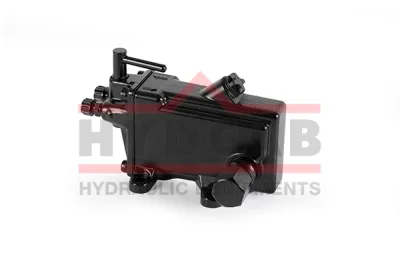
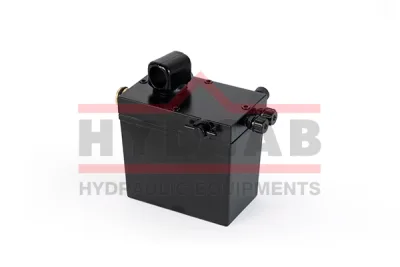
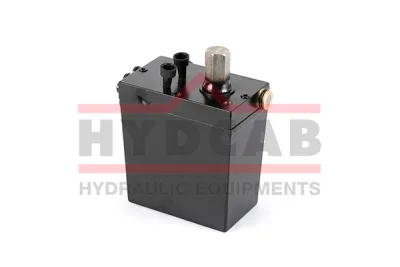
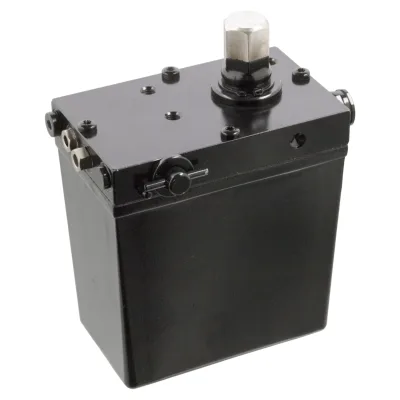
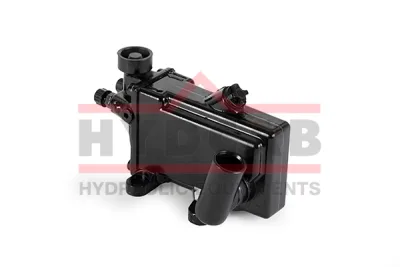
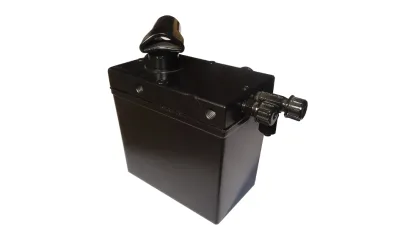
A cabin tilting pump is the unit that generates the hydraulic pressure needed to tilt the cab forward on cab-over trucks and tractor units and controls the direction of oil flow; it feeds the cabin tilting cylinder. In the trade it is also known as a cab tilting pump or cab tilt pump. Under its HYDCAB brand, Özteknik offers a range of 108 cabin tilting pumps for 12 vehicle makes, led by Scania, Volvo, Mercedes-Benz, Renault Trucks, Iveco, Ford, MAN, BMC and DAF.
What is a cabin tilting pump and what does it do?
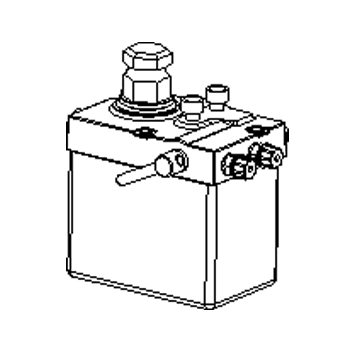
On cab-over vehicles the engine sits under the cab, which has to be tilted forward for maintenance. In a cab tilting system the pump, oil reservoir and selector valve are often combined in a single housing. The pump draws oil from the reservoir and delivers it under pressure through the hydraulic lines to the cabin tilting cylinder; as the cylinder extends, the cab rotates forward around its front hinge axis. The selector valve sets the lift or lower direction; in many systems the cab is also lowered with the pump in a controlled way. The pump housing usually contains check valves, a pressure-limiting (relief) valve and the selector valve, which help the cab hold its position when pumping stops and lower in a controlled manner.
There are two basic pump types:
- Manual (hand) pump: usually mounted on the chassis at an easily accessible point and operated with a lever. It needs no electrical supply and is a simple, widespread solution.
- Electro-hydraulic pump: an electric motor drives the pump, and the cab is raised and lowered with a switch or control. It reduces physical effort but relies on the vehicle's electrical system.
How to choose a cabin tilting pump
Pump selection is based on the OE number and vehicle data rather than on a size table; even within one vehicle make, different pumps are used depending on cab type and equipment.
The OE number is the most reliable route. Sample references in the catalogue: Mercedes-Benz A 960 553 00 01, Iveco 42558828, Iveco 500316940, Iveco 504172827, Volvo 20917287 and Ford GC46-00356-BA. Enter the number from the pump label or the vehicle's parts catalogue on the OE number search page to find the matching HYDCAB code.
| Criterion | What to check |
|---|---|
| OE / reference number | Pump label, vehicle parts catalogue |
| Vehicle make and model | Cab type, VIN / chassis number, model year |
| Pump type | Manual (lever-operated) or electro-hydraulic |
| Hydraulic connections | Number and position of ports, fitting and thread type |
| Mounting | Bracket and hole pattern, position of the lever socket |
| Electrical connection | Connector type and wiring on electro-hydraulic pumps |
Manual and electro-hydraulic pumps are generally not interchangeable; base your choice on the pump type fitted to the vehicle and its OE number. Confirm dimensions and connections: if the label is unreadable, compare the port positions, mounting holes and lever socket of the old pump with the new one, or contact us with the chassis number and photos.
Failure symptoms
- The lever is operated but the cab does not rise, or many more strokes than usual are needed.
- The lever moves freely with no resistance (possible low oil level, air in the system or internal leakage).
- The cab sinks back by itself as soon as pumping stops.
- Oil is leaking at the pump housing, lever shaft, reservoir cap or fittings.
- The selector valve is hard to turn, sticks or does not stay in position.
- On an electro-hydraulic pump the motor runs but the cab does not rise, the motor does not run at all, or there is unusual noise.
- The oil in the reservoir is foamy, dirty or discoloured.
Inspection and replacement
Safety first: never work under a raised cab unless it has been secured as the vehicle manufacturer prescribes (mechanical lock or safety support). The hydraulic system on its own is not a safety device. Tilt the cab according to the procedure in the vehicle's operator and service manual, with the vehicle on level ground, the parking brake applied, the engine stopped, loose items removed from the cab and the doors closed.
Inspection steps:
- Check the oil level in the reservoir with the cab in the position specified in the vehicle manual, and look for foaming or contamination.
- Inspect the pump, hoses and fittings for external leaks.
- Check that the selector valve fully engages its positions and that the lever seats correctly in its socket.
- On electro-hydraulic pumps, check the fuses, relays, wiring connections and earth.
- Inspect the cylinders as well to tell whether the fault lies in the pump, the cylinder or the lines; if the cab sinks by itself, the leak may come from either component.
When replacing:
- Keep the cab lowered and locked and release the pressure in the system; clean the area before opening connections and cap open ports.
- Fill the new pump with the hydraulic oil specified by the vehicle manufacturer; do not mix different oil types.
- Apply the tightening torque and procedure from the vehicle manufacturer's service manual to all fasteners, and renew sealing washers.
- Bleed the system according to the manual; then raise and lower the cab fully several times to check for leaks, smooth movement and correct seating and locking, and recheck the oil level.
- If the oil was contaminated, also check the cylinder and lines and flush the system if necessary.
Cab tilting system parts must be fitted by competent personnel.
Production and testing at Özteknik
HYDCAB has been manufactured at Özteknik's plant in Kemalpaşa, İzmir since 2004. For cabin tilting pumps, machining of the housing and valve components, surface preparation, assembly, painting and testing are carried out in-house. The test programme of the HYDCAB hydraulic line includes:
- Hydraulic pump function test
- ISO 7986 – Performance tests for seals used in oil hydraulic reciprocating applications
- ISO 10771-1:2015 – Fatigue pressure testing of metal pressure-containing envelopes
- External leakage test
- Corrosion test
- Burst test
Production runs under a quality management system certified to IATF 16949:2016 and ISO 9001:2015; see quality and certificates and production and R&D for details.
Vehicles covered
The HYDCAB cabin tilting pump range covers Scania, Volvo, Mercedes-Benz, Renault Trucks, Iveco, Ford, MAN, BMC and DAF vehicles, with codes for KAMAZ, Ural and Dongfeng as well. Most codes are for Scania and Volvo vehicles. Sample products: KP0004, KP0027, KP0101 and KP0102. All codes are listed in the cabin tilting pump catalogue.
For price and availability, add the codes you need to your quote list or send us the OE numbers. OE numbers and brand names are given for comparison purposes only.
Frequently asked questions
How do I find a cabin tilting pump by OE number?
Enter the OE number from the pump label or the vehicle's parts catalogue in the search on ozteknikoto.com; the matching HYDCAB code is listed. If the label is unreadable, contact Özteknik with the vehicle make, model, chassis number and photos of the old pump.
Can an electro-hydraulic pump replace a manual pump?
Generally not: the two types have different OE numbers, hydraulic connections and mounting layouts, and an electro-hydraulic pump also needs electrical wiring. Choose according to the OE number of the pump fitted to the vehicle and the vehicle's equipment.
Why does the cab not rise although the pump is working?
The most common causes are a low oil level, air in the system, a selector valve left in the wrong position or worn, and internal leakage in the pump; leaks in the cylinder or hoses can cause the same symptom. Diagnose step by step, starting with the oil level.
Which oil goes into a cabin tilting pump?
Use the hydraulic oil specified in the vehicle manufacturer's operator or service manual. Mixing different oil types can damage the seals and impair the operation of the system.
Is it safe to work under a raised cab?
Only when the cab has been secured with the mechanical lock or safety support prescribed by the vehicle manufacturer. Even if the valves in the pump and cylinder hold the cab, the hydraulic system on its own is not a safety device.
Also available in: العربية, Deutsch, Español, Français, Italiano, Русский, Türkçe