Cabin Tilting Cylinders
Cabin tilting cylinder guide: selection, symptoms and replacement
HYDCAB cabin tilting cylinder guide: selection by OE number, failure symptoms and safe replacement. 126 codes incl. Mercedes-Benz, Scania, Volvo.
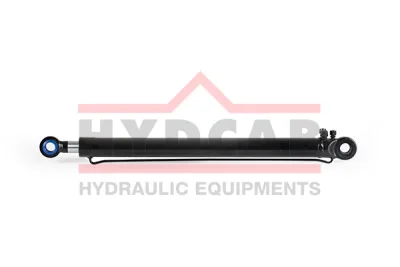
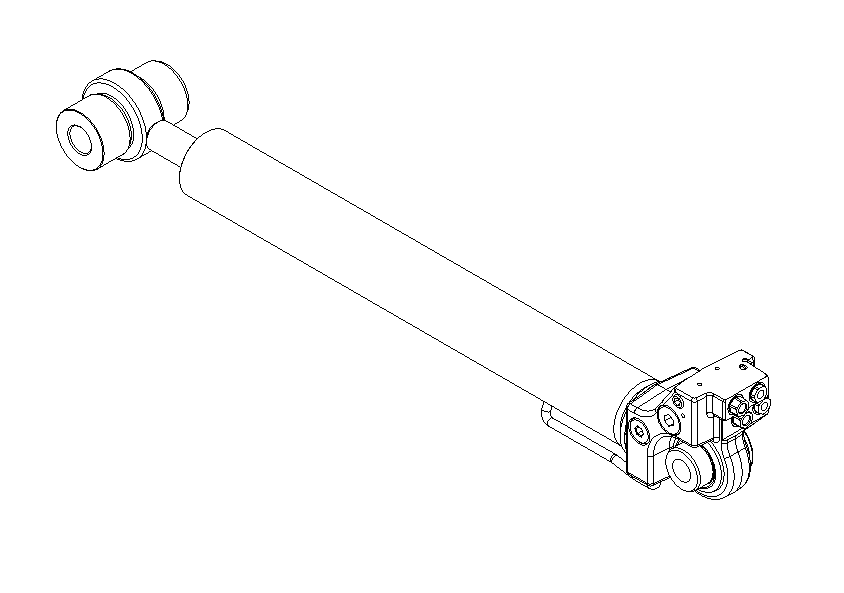
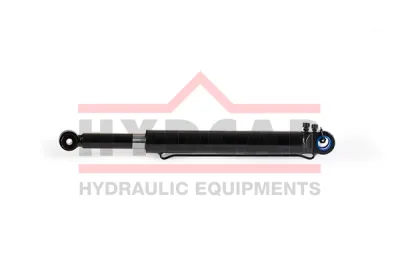
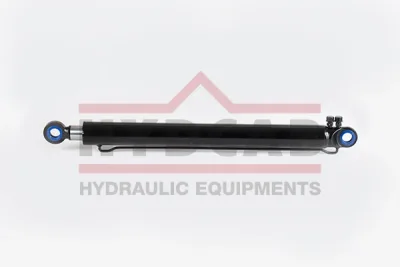
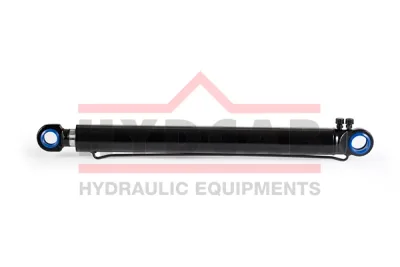
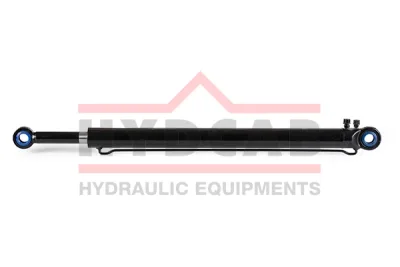
A cabin tilting cylinder is the hydraulic cylinder that tilts the cab forward on cab-over trucks and tractor units to give access to the engine; it works between the chassis and the cab and is driven by oil pressure from the cabin tilting pump. In the trade it is also called a cab tilting cylinder or cab tilt cylinder. Under its HYDCAB brand, Özteknik offers a range of 126 cabin tilting cylinders for 11 vehicle makes, led by Mercedes-Benz, Scania, Volvo, Renault Trucks, Ford, MAN, DAF and Iveco.
What is a cabin tilting cylinder and what does it do?
On cab-over trucks and tractor units the engine sits under the cab, so the cab has to be tilted forward for maintenance and repair. A cab tilting system generally consists of a manual hand pump or an electro-hydraulic pump, an oil reservoir, a selector valve that sets the lift or lower direction, hydraulic hoses and pipes, and one or two cabin tilting cylinders. One end of the cylinder is attached to a bracket on the chassis, the other to a bracket on the cab.
When the pump is operated, oil is pressed into the cylinder, the piston rod extends and the cab rotates around its front hinge axis. In many systems the cylinder is double-acting: when the selector valve is set to lower, oil is directed to the other side of the piston and the cab returns in a controlled way. Once the cab's centre of gravity passes over the hinge axis during tilting, the cylinder no longer pushes the cab but holds it back; valves and restrictors in the system keep this transition smooth. In many designs the cylinder floats freely while driving so that it does not restrict the movement of the cab suspension.
How to choose a cabin tilting cylinder
For HYDCAB cabin tilting cylinders, matching is done by OE number and vehicle data rather than by a size table; even within one vehicle make, different cylinders may be used depending on cab type, chassis and model year.
The OE number is the most reliable starting point. Enter the number from the old part's label or from the vehicle's parts catalogue on the OE number search page to find the matching HYDCAB code. Sample references in the catalogue: DAF 2163830, DAF 2191467, Ford JC4600356, Ford JC4600356B, Ford T290471 and Mercedes-Benz A 001 553 16 05. Letter suffixes on the same base number (for example JC4600356 and JC4600356B) can indicate a revision or a different application, so do not drop them.
| Criterion | What to check |
|---|---|
| OE / reference number | Label on the old part, vehicle parts catalogue |
| Vehicle make and model | Cab type, VIN / chassis number, model year |
| Mounting type | End design (bushed eye, clevis, threaded end), pin and bush fit |
| Hydraulic connection | Number of ports (single- or double-acting), port position, fitting type |
| Stroke and retracted length | Must match the old part; full tilting and correct seating of the cab depend on it |
Confirm the dimensions: if the OE number is unreadable, do not order before comparing the retracted length, stroke, mounting ends and port positions of the old cylinder with the new one. If in doubt, contact us with the chassis number and photos of the old part.
Failure symptoms
- The cab does not lift, lifts very slowly, or jerks and sticks while moving.
- A raised cab creeps down by itself when the pump stops (possible internal leakage or valve fault).
- Oil is leaking at the piston rod or fittings; an oily film and dust build-up are visible on the rod.
- The piston rod shows scores, rust, pitting or bending; the wiper seal is torn.
- Knocking or rattling comes from the front of the cab while driving (worn mounting bushes, loose pins or a failed float function).
- After lowering, the cab does not seat fully or the cab-lock warning lamp stays on.
- The oil level in the reservoir drops repeatedly.
Inspection and replacement
Safety first: never work under a raised cab unless it has been secured as the vehicle manufacturer prescribes (mechanical lock or safety support). The hydraulic system on its own is not a safety device. Tilt the cab according to the procedure in the vehicle's operator and service manual, with the vehicle on level ground, the parking brake applied, the engine stopped, loose items removed from the cab and the doors closed.
Inspection steps:
- Check the oil level in the reservoir and the condition of the oil (foaming, contamination, discolouration).
- Inspect the cylinder, hoses and fittings for leaks; check the piston rod for scores, rust and bending.
- Check the bushes, pins and bolts at the mounting ends for play and wear.
- Raise and lower the cab fully and watch whether the movement is smooth and whether the cab creeps by itself.
When replacing:
- Before opening hydraulic connections, make sure the cab is lowered and locked and that no pressure remains in the system; clean the area and cap open ports against contamination.
- On vehicles with two cylinders, inspect both together; replacing them as a pair is usually recommended for balanced operation.
- Check the pump, hoses and fittings at the same time; contaminated oil can damage the seals of the new cylinder, so flush the system if necessary.
- Apply the tightening torque and procedure from the vehicle manufacturer's service manual to all fasteners, and renew sealing washers and seals.
- After fitting, fill the system with the hydraulic oil specified by the manufacturer, bleed it according to the manual, then raise and lower the cab fully several times to check for leaks, smooth movement and correct locking.
Cab tilting system parts must be fitted and adjusted by competent personnel.
Production and testing at Özteknik
HYDCAB has been manufactured at Özteknik's plant in Kemalpaşa, İzmir since 2004. For cabin tilting cylinders, tube forming, machining of the piston rod and mounting parts, welding, heat treatment, surface preparation, assembly and painting are carried out in-house, and production is completed by testing. The test programme of the HYDCAB hydraulic line includes:
- SAE J1336 – Hydraulic cylinder leakage test
- SAE J1334 – Hydraulic cylinder integrity test
- SAE J1374 – Hydraulic cylinder rod seal endurance test
- ISO 10100 – Hydraulic cylinders: acceptance tests
- ISO 10771-1:2015 – Fatigue pressure testing of metal pressure-containing envelopes
- Hydraulic cylinder function test and corrosion test
Production runs under a quality management system certified to IATF 16949:2016 and ISO 9001:2015; see quality and certificates and production and R&D for details.
Vehicles covered
The HYDCAB cabin tilting cylinder range covers Mercedes-Benz, Scania, Volvo, Renault Trucks, Ford, MAN, DAF, Iveco and BMC vehicles, with codes for KAMAZ and Ural as well. Most codes are for Mercedes-Benz and Scania vehicles. Sample products: KS0033, KS0032, KS0048 and KS0051. All codes are listed in the cabin tilting cylinder catalogue.
For price and availability, add the codes you need to your quote list or send us the OE numbers. OE numbers and brand names are given for comparison purposes only.
Frequently asked questions
How do I find a cabin tilting cylinder by OE number?
Enter the OE number from the old cylinder's label or the vehicle's parts catalogue in the search on ozteknikoto.com; the matching HYDCAB code is listed. If the number is unreadable, contact Özteknik with the vehicle make, model, chassis number and photos of the old part.
Is the fault in the cylinder or in the pump?
Oil leaking at the piston rod or fittings, or scores and rust on the rod, point to the cylinder. If the cab does not rise although the pump works and the cylinder shows no external leak, check the oil level, the pump and the selector valve as well; a competent workshop should make the final diagnosis.
Is it safe to work under a raised cab?
Only when the cab has been secured with the mechanical lock or safety support prescribed by the vehicle manufacturer. The hydraulic cylinder on its own is not a safety device, so never go under a cab that has not been secured.
Should both cylinders be replaced on vehicles with two cylinders?
Both cylinders work under the same conditions, so they should be inspected together and are usually replaced as a pair for balanced operation. Check the hoses, fittings and hydraulic oil at the same time.
What needs to be done after replacing the cylinder?
Fill the system with the hydraulic oil specified by the vehicle manufacturer, bleed it according to the manual, then raise and lower the cab fully several times to check for leaks, smooth movement and that the cab seats and locks correctly.
Also available in: العربية, Deutsch, Español, Français, Italiano, Русский, Türkçe