Clutch systems
Clutch System Failures in Heavy Commercial Vehicles: Causes and Consequences
Clutch slipping, drag, judder and noise in trucks and tractor units: driving, maintenance and installation causes, heat damage, workshop diagnostic sequence.
How does the clutch system work?
In heavy commercial vehicles, the clutch is a dry friction system that transmits engine torque to the gearbox, interrupts the power flow during gear changes and controls slip when pulling away. Most failures start with the heat released at exactly this moment of slip.
According to the technical training documents of OE clutch manufacturers, commercial vehicles generally use a dry single-disc clutch between the engine and the gearbox, while heavy vehicles that must transmit very high torque with low pedal force use dry twin-disc designs. According to the manufacturers, a good clutch is expected to transmit torque, interrupt and reconnect the power flow, allow fast gear changes, give a smooth start, damp vibration and protect the driveline against overload.
Main components
- Flywheel: The friction face on the engine side of the disc; it is the first part to take the heat.
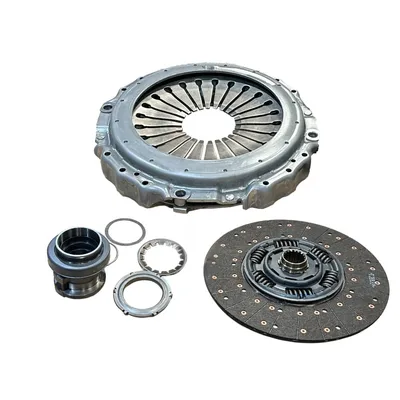
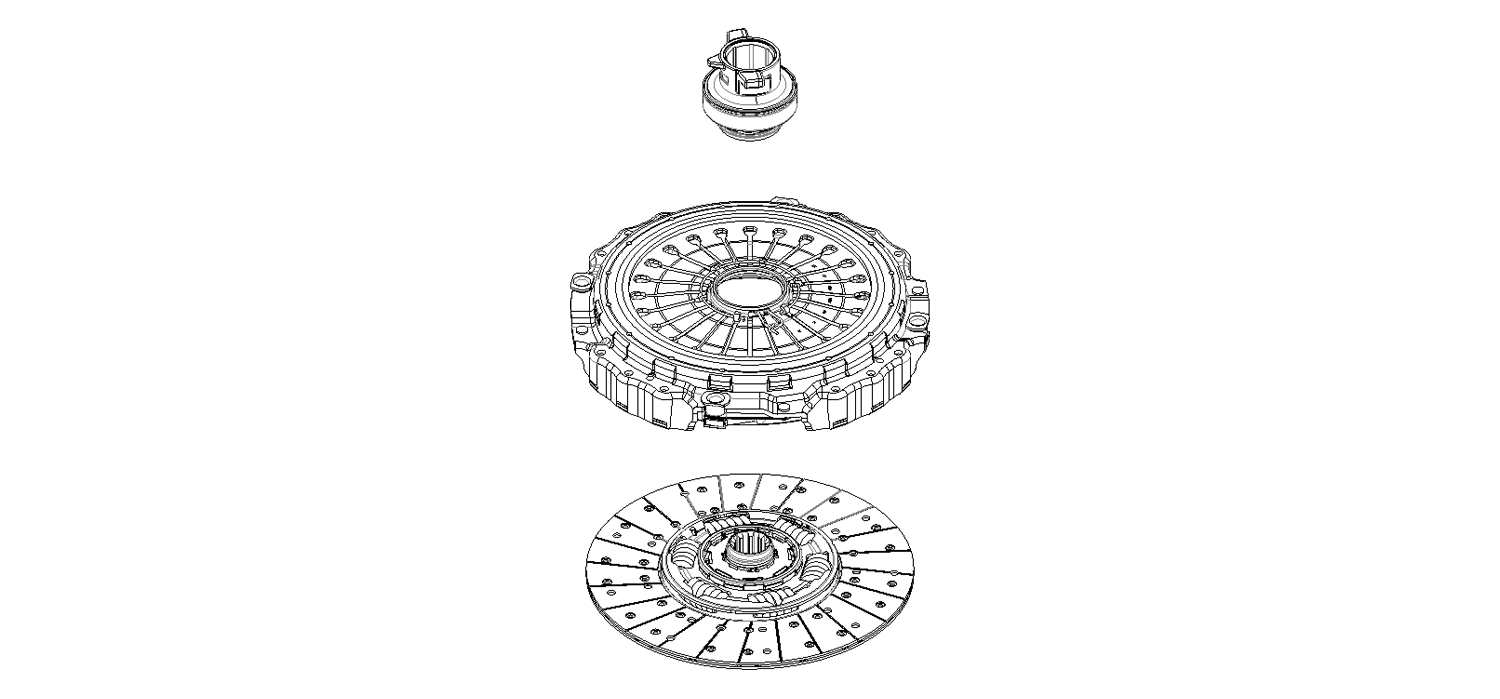
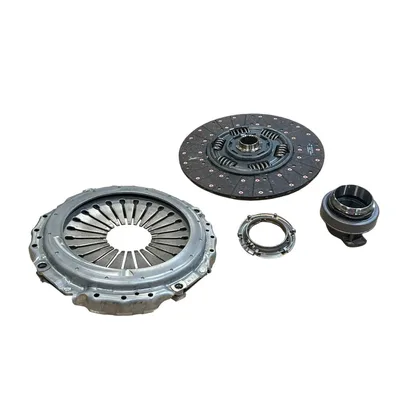
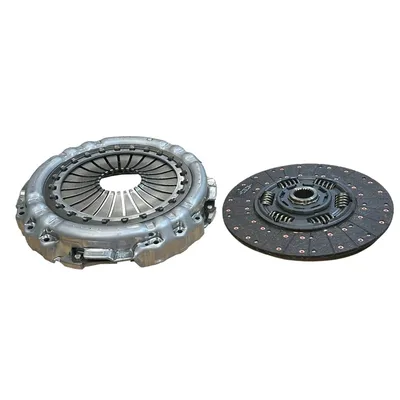
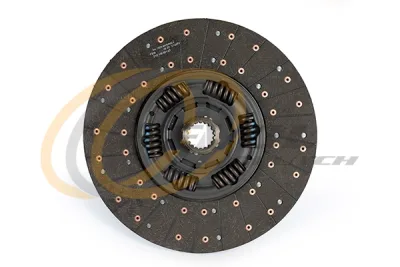
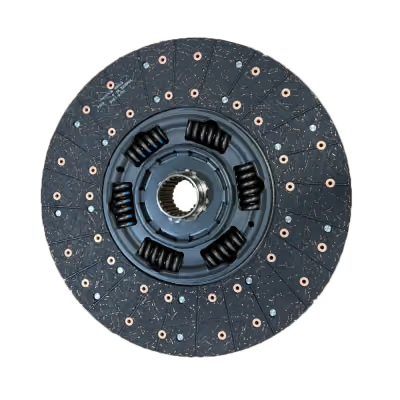
- Clutch disc (driven plate): Made up of the friction facings, cushion segments that give smooth engagement, springs that damp torsional vibration and a splined hub that fits on the gearbox input shaft.
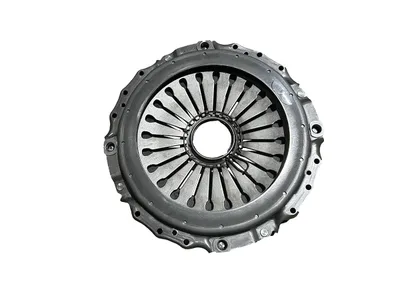
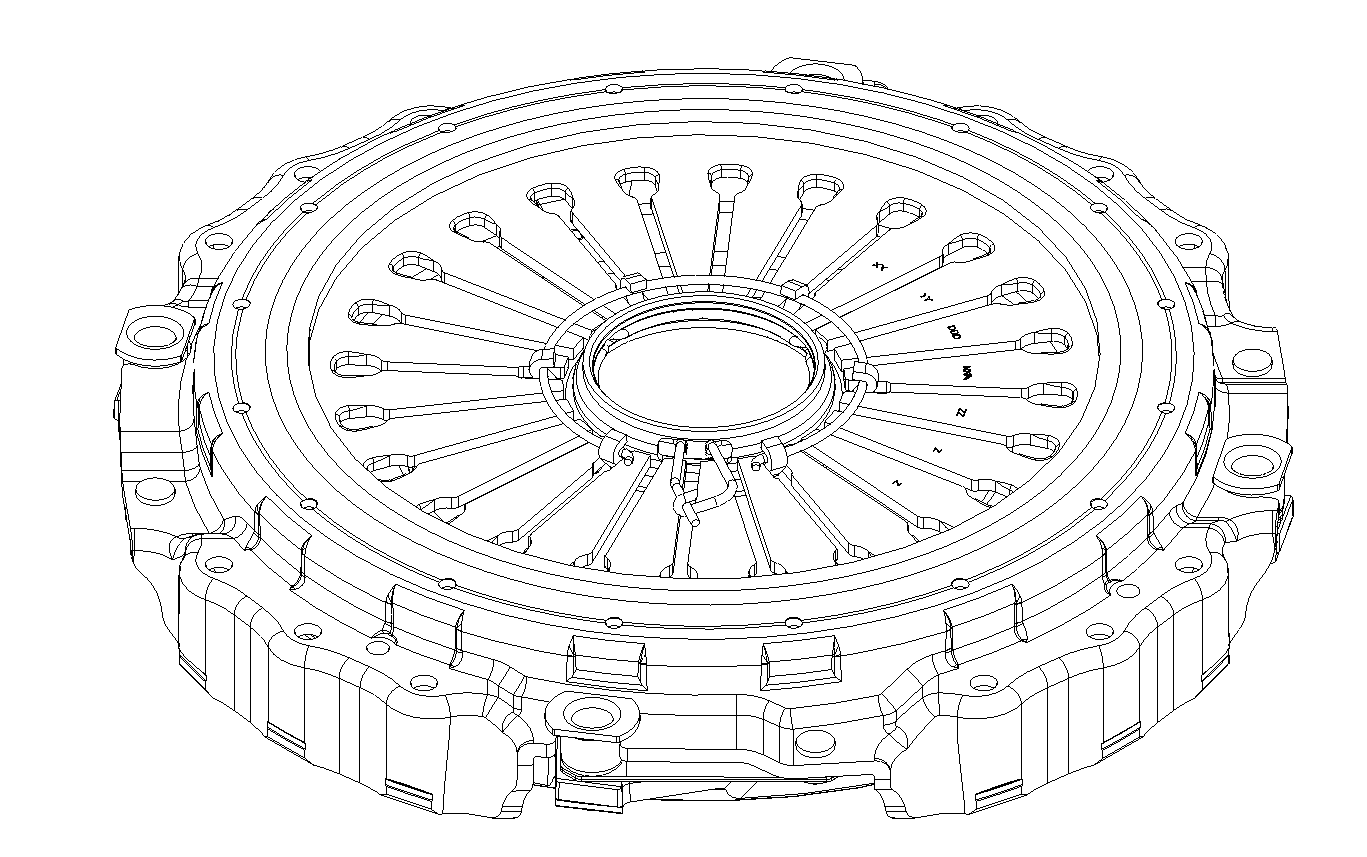
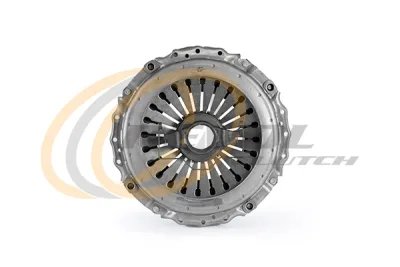
- Pressure plate (clutch cover assembly): Made up of the cover, the diaphragm spring, the pressure plate itself and the tangential leaf springs that centre the plate and pull it back. The clamp force comes from the diaphragm spring.
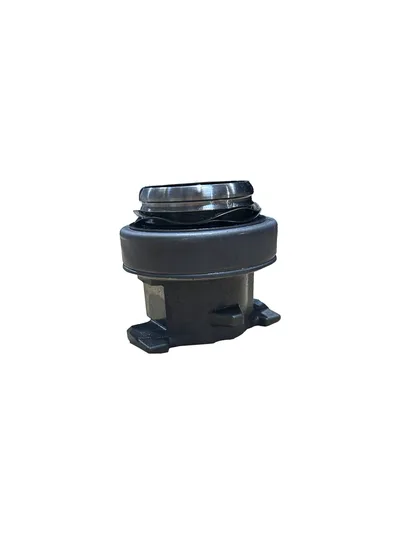
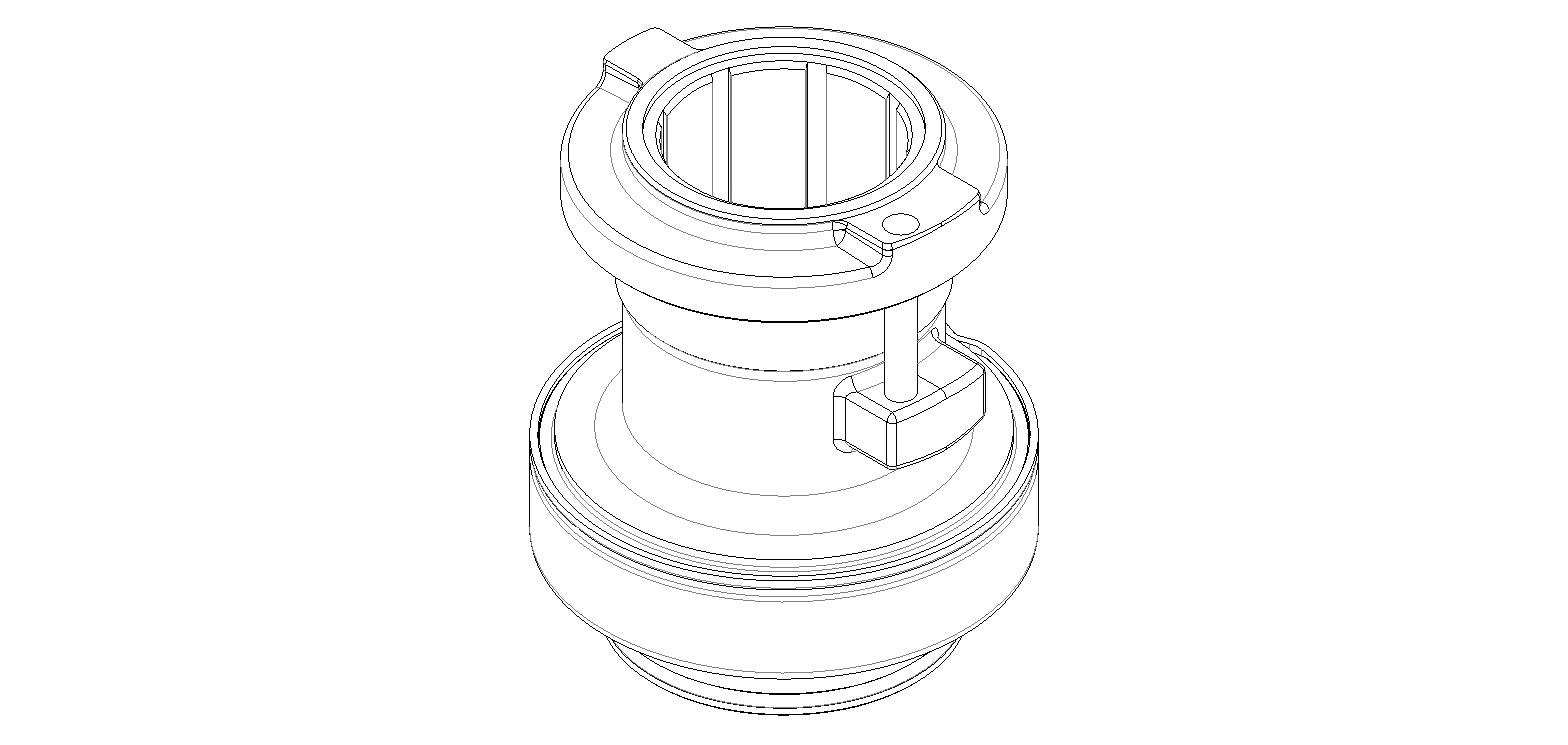
- Release bearing (throw-out bearing) and guide sleeve: The link between the rotating diaphragm spring fingers and the stationary release system. According to manufacturer data, these angular contact ball bearings can operate at up to 150 °C.
- Pilot bearing: Supports the end of the gearbox input shaft inside the flywheel.
- Release system: Made up of the master cylinder at the pedal, the hydraulic line and the slave cylinder. On heavy vehicles the slave cylinder is mostly replaced by a clutch servo assisted by compressed air. On some vehicles the clutch is operated by a concentric slave cylinder (CSC) inside the bell housing, and on automated manual transmissions by a concentric pneumatic clutch actuator (CPCA).
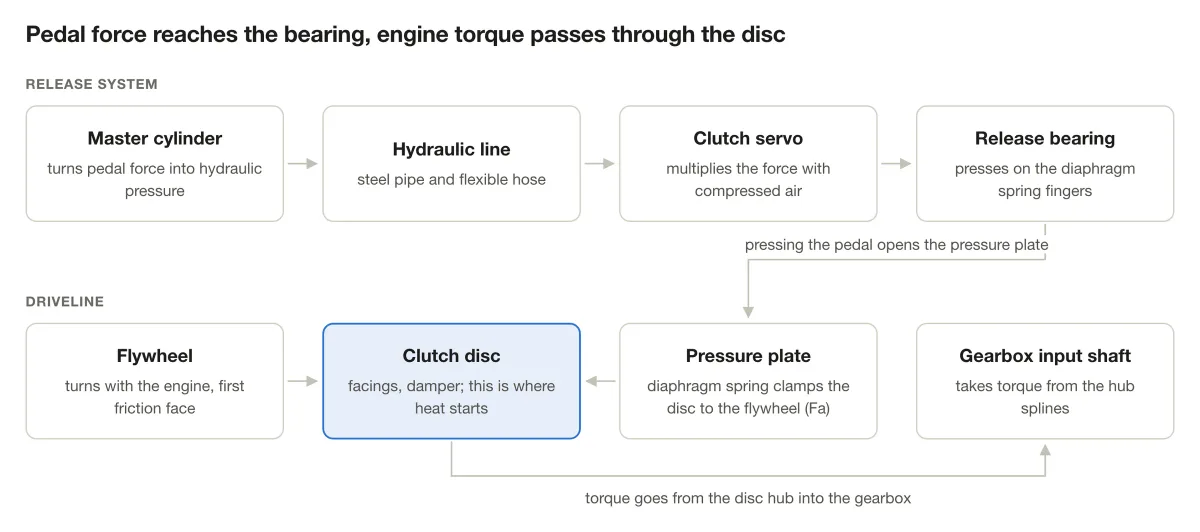
Every element in the release system decides how far and how evenly the release bearing presses on the diaphragm spring; in the driveline, all the torque and all the slip heat pass through the clutch disc.
How much torque can a clutch carry?
In OE manufacturer documents, the torque a clutch can transmit is given by this relationship:
M_d = r_m \cdot n \cdot \mu \cdot F_aHere M_d is the transmissible torque, r_m the mean friction radius of the facings, n the number of friction surfaces, μ the friction coefficient of the facings and F_a the clamp force of the diaphragm spring. In the manufacturer's example, a single-disc clutch with a 430 mm outer and 242 mm inner diameter, 27,000 N clamp force and μ = 0.27 transmits about 2,450 Nm. Clutches are always designed above the engine's maximum torque, with a safety margin.
This relationship is also the key to understanding failures. If the facings get oily or overheat, μ falls. If the facings wear, the diaphragm spring fatigues or the release system does not fully let go of the load, F_a decreases. In both cases the transmissible torque drops below engine torque and the clutch starts to slip.
Material limits
According to manufacturer data, organic facings have a friction coefficient of about 0.3 and withstand heat loads up to 350 °C. Inorganic (ceramic/sintered) facings reach a coefficient of about 0.4 and withstand up to 600 °C, but they are more prone to judder. Disc thickness decreases by about 1.5–2 mm over the service life. Clamp force is calculated so that the clutch starts to slip shortly before the facing rivets score the pressure plate or the flywheel; in other words, slipping is an early warning that replacement is due.
Main failure types
OE manufacturers group clutch complaints into five main types: drag, slipping, judder, noise and heavy pedal. Correct diagnosis starts by establishing which of these groups the complaint falls into.
| Fault | What does the driver notice? | Where the fault usually lies |
|---|---|---|
| Drag (incomplete release) | With the pedal fully down, the vehicle creeps; 1st and reverse grind going in or are hard to get out of | Often the release system, the pilot bearing or an installation error; it may not be the clutch itself |
| Slipping (clutch slip) | Under load, engine speed rises but the vehicle does not accelerate; loss of power on gradients, smell of burnt facings | Facings with a reduced friction coefficient or reduced clamp force |
| Judder / grabbing | Vibration felt through the cab and seat when pulling away, jerky progress | Facing surface, flywheel surface, engine/gearbox mounts, release system |
| Noise | Whistling, growling or clicking when the pedal is pressed or released; rattle at idle | Release bearing, pilot bearing, release fork, torsional damper |
| Heavy or erratic pedal | The pedal gets heavier, sticks, its free play changes | Guide sleeve, release shaft bushings, master/slave cylinder, servo |
Slipping
Slipping is the most dangerous failure type because it feeds itself. Heavy-duty clutch manufacturers stress that a clutch that is out of adjustment or slipping generates enough heat to destroy itself quickly. As the facings heat up, their friction coefficient falls, they slip more and heat up even further.
Manufacturers recommend a simple workshop test: drive the vehicle for a short time and operate the clutch a few times, then stop, apply the parking brake and select the highest gear. If the engine stalls when the clutch is released slowly, the clutch is carrying the torque; if the engine keeps running, the facings are slipping.
Drag
According to manufacturer manuals, when a clutch does not release, the problem is often not in the clutch itself. The most common causes are the release system (bearing, slave cylinder, fork), a seized pilot bearing and failure to follow the installation instructions. Typical drag symptoms are the vehicle creeping with the pedal pressed, 1st and reverse grinding with the vehicle stationary, the clutch brake failing to stop the gearbox, and difficulty getting out of gear.
Judder and noise
Judder is the failure to transmit torque smoothly when pulling away. It does not always come from the clutch; worn engine mounts or incorrect engine settings can also prevent smooth engagement. A light clicking heard on load changes with discs that have a pre-damper, on the other hand, is normal and does not affect the function or service life of the disc.
Causes of failures
The failure analysis manuals of OE manufacturers sum up the main reason heavy-duty clutches fail in two words: excessive heat. The heat generated between the flywheel, disc, intermediate plate and pressure plate during engagement can reach levels that make the metal flow and destroy the facings. Finite element studies carried out at Hamburg University of Technology also show that most early clutch failures are attributed to the surface temperature generated during slip in the first moments of engagement, and that the frictional heat generated rises markedly as slip speed increases. Most of the causes below are, in the end, conditions that increase this heat or prevent the clutch from fully releasing and engaging.
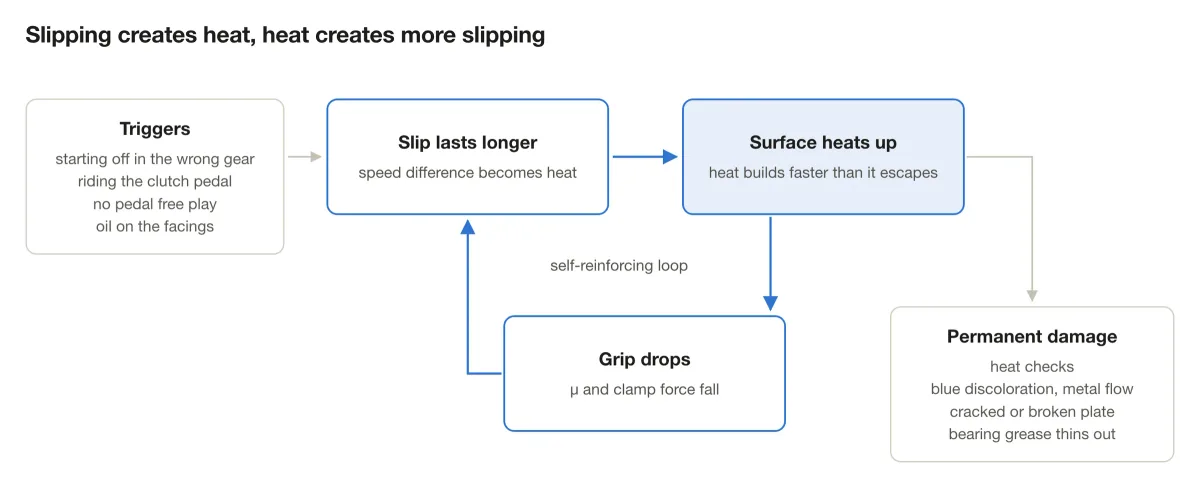
Once the loop has started it speeds itself up, so the vehicle should go to the workshop as soon as slipping is noticed.
1. Driving-related causes
Mistakes that manufacturer manuals highlight for driver training:
- Starting off in the wrong gear: Pulling away in a high gear with a loaded vehicle puts the difference between engine speed and vehicle speed onto the clutch as heat. The practical rule is to choose the gear in which the vehicle can move off at idle, or with just enough throttle not to stall.
- Changing up early or skipping gears: Changing up before the vehicle has reached sufficient speed is as harmful as starting off in the wrong gear.
- Overloading: A clutch is selected for a specific application and load; exceeding the limit forces it to engage at a higher speed difference.
- Riding the clutch pedal: Partial engagement causes slip and heat; it also puts a constant axial load on the release bearing, which thins its grease and ruins the bearing.
- Holding the vehicle on a gradient with the clutch: This makes the clutch do the brake's job; a slipping clutch builds up heat faster than it can dissipate it.
- Coasting downhill in gear with the clutch pedal pressed: Through the wheels, the differential and the gearbox ratios, this drives the disc to very high speeds. Manufacturer records state that disc speeds above 10,000 rpm were measured on a tractor unit coming down a ramp, and that this exceeds the burst strength of the facings. This damage is independent of engine speed; what decides it is the speed of the gearbox main shaft.
- Releasing the clutch suddenly while coasting: This creates large shock loads in the clutch and the whole driveline.
- Lugging the engine: Driving at very low engine speed overloads the torsional damper on the disc and can break the damper cover.
2. Maintenance and adjustment causes
- Loss of pedal free play: In a system with no free play, the bearing rests on the diaphragm spring all the time; both the bearing and the fingers wear, and the clutch slips because it never fully engages.
- Adjusting for wear in the wrong place: On internally adjusted clutches, compensating for wear at the linkage rods instead of at the adjusting mechanism moves the release bearing assembly forward until it contacts the disc, and the clutch slips.
- Worn or binding linkage and release shaft: Pedal free play changes erratically, the bearing is side-loaded and engagement becomes uneven.
- Ageing hydraulic fluid: Hydraulic fluid absorbs water over time; this can damage the seals and cause noise in the master cylinder. Manufacturers recommend changing the fluid at least every 2–3 years. Even a very small amount of mineral oil mixed into a system that runs on brake fluid destroys the seals.
- Air in the system or a leaking master or slave cylinder: Release travel is shortened and the clutch does not fully release.
- Servo adjustment and clutch learn: After a clutch replacement, an incorrectly adjusted servo push rod, or on vehicles with automated gearboxes a clutch that has not been taught in (learn procedure), causes engagement problems and jerking.
3. Installation causes
- Fitting the gearbox without centring the disc, or leaving the gearbox hanging unsupported on the disc hub: the disc bends, and the hub splines and the damper cover are damaged.
- Not checking disc runout: Discs can bend even in transit, so manufacturers recommend a runout check before fitting; the maximum permitted lateral runout is 0.5 mm.
- Disc fitted the wrong way round, or the wrong part: The damper rubs against the flywheel bolts or other parts, causing drag and noise.
- Tightening the cover bolts unevenly: The cover distorts and the flywheel centring rim can break. Documented damage goes as far as bolts left loose shearing off when the cover strikes the flywheel.
- Flywheel not machined, or machined incorrectly: Scoring, hot spots and heat checks destroy the new facings as well. If the friction face is machined but the mounting face is not machined by the same amount, clamp force drops and the clutch slips.
- Over-greasing the hub: Excess grease is thrown onto the facings as the disc rotates. This is why some manufacturers recommend not greasing the input shaft splines at all, while others recommend applying only a thin film and always wiping off the excess; the instructions of the vehicle and clutch manufacturer take precedence.
- Replacing only the disc: When a new disc and an old pressure plate are not matched to each other, slipping or judder can occur. The release bearing also cannot be functionally tested in the workshop, so it should be renewed at every clutch replacement.
4. Causes from surrounding systems
- Oil leaks: Oil leaking from the rear crankshaft seal or the gearbox front seal contaminates the facings, causing slipping, judder and drag. Oil-soaked discs must not be cleaned and reused.
- Engine-to-gearbox misalignment: Damages the pilot bearing, the hub splines and the input shaft.
- Torsional vibration and driveline backlash: Universal joint wear, damaged mounts and engine misfire break the damper springs and wear the splines.
- Dirty environment: In dusty applications, contamination can stop self-adjusting mechanisms from adjusting.
Consequences of failures
An ignored clutch fault rarely stays in the clutch: heat and vibration spread to the flywheel, the release system, the gearbox input shaft and the clutch brake. In the worst case the vehicle is stranded on the road or the driver has difficulty keeping control.
The heat damage chain
The failure analysis manuals of OE manufacturers describe the marks that slip heat leaves on the parts as follows:
- Heat checks: Fine cracks with raised edges form on the plate surface; they shave the facings of a newly fitted disc like a grater.
- Blue discoloration and metal flow: An overheated pressure plate or intermediate plate shows high and low spots, and facing material transferred from the disc to the plate.
- Cracked or broken plate: When heat flows in faster than the metal can dissipate it, the pressure plate or the intermediate plate cracks.
- Burnt and detached facings: Ceramic facings start to flow and separate from the disc; on organic facings the bonding layer breaks down.
According to manufacturer documents, the pressure plate can break as a result of overheating, and temper colours, scoring and heat checks form on the flywheel; in that case the flywheel must be replaced together with the clutch. Overheating can also cause irreversible coning of the pressure plate and release problems.
Mechanical knock-on damage
- Release bearing: A bearing that has run out of grease overheats, seizes and wears or breaks off the diaphragm spring fingers. In some automated gearbox applications, manufacturers require the clutch to be replaced once finger thickness has dropped below 3 mm.
- Input shaft and bushing: Worn fork fingers side-load the release bearing assembly; the bushing and the sliding area of the input shaft wear away. If this shaft is not replaced, it also ruins the bushing of the new clutch.
- Pilot bearing and clutch brake: A seized pilot bearing makes the input shaft turn even when the clutch is fully released; the clutch brake cannot carry this load and wears.
- Spline wear: Torsional vibration and misalignment wear the hub and input shaft splines; the disc can no longer slide freely on the shaft and drag begins.
- Facing burst: When coasting downhill in gear with the clutch pedal pressed, the facings disintegrate at high speed; the result is a clutch that no longer releases at all.
Safety and operating consequences
- Vehicle control: A clutch that does not release makes gear changes difficult; a slipping clutch does not deliver the expected traction when pulling away on a hill or overtaking.
- Risk of unintended movement: A recall reported to the US National Highway Traffic Safety Administration (NHTSA) in 2018 examined findings that a broken clutch lever could prevent full release on some heavy vehicles with automated manual transmissions, and findings related to unintended vehicle movement.
- Cost and downtime: Replacing the clutch requires removing the gearbox. If the flywheel, bearings, guide sleeve or input shaft are also damaged and are not replaced while the job is under way, the new clutch soon repeats the same failure. Manufacturers recommend that drivers report erratic clutch behaviour immediately, so that the vehicle is not stranded on the road.
Diagnosis and prevention
The two things that extend clutch life the most are driver habits and a complete check of the surrounding parts during replacement. Manufacturer manuals point out that the most common mistake is removing the gearbox straight away, when the fault often lies in easily accessible areas such as the release system.
Diagnostic sequence in the workshop
- Pin down the complaint: Is it drag, slipping, judder, noise or heavy pedal? In which gear, loaded or empty, cold or hot?
- Check the surroundings before removal: Hydraulic fluid level and leaks, clutch servo and air line, pedal free play, linkage and release shaft, engine and gearbox mounts, oil traces under the bell housing.
- Do the slip test: With the parking brake applied and the highest gear selected, release the clutch slowly; if the engine does not stall, the clutch is slipping.
- Measure release travel: For example, for 15.5-inch pull-type heavy-duty clutches the manufacturer values are: release bearing travel 12.7–14.3 mm (1/2–9/16 inch), free travel between the fork fingers and the bearing about 3 mm (1/8 inch), clutch brake squeeze at least 12.7 mm at the pedal. For other models, the vehicle manufacturer's values apply.
- Read the damage marks after removal: Blue discoloration and heat checks point to excessive slip; oily facings to a seal leak; one-sided wear to misalignment or incorrect flywheel machining; spline wear to torsional vibration.
Points to watch during maintenance and installation
- Complete replacement: Replace the pressure plate, disc and release bearing together; check the pilot bearing, guide sleeve and release shaft bushings. On self-adjusting pressure plates, use the manufacturer's installation locks and follow the reset instructions.
- Flywheel: If there is scoring, hot spots or discoloration, machine it within the manufacturer's tolerance; machine the friction face and the mounting face by the same amount. Renew flywheel bolts that have been undone.
- Disc check: Measure lateral runout before fitting; the limit is 0.5 mm.
- Centring: Fit the disc with a centring tool; do not leave the gearbox hanging on the disc hub and do not force it into the splines.
- Bolts: Tighten the cover bolts in a diagonal sequence to the manufacturer's torque.
- Greasing: Follow the clutch manufacturer's instructions. If grease is specified, apply only a thin film of the recommended high-temperature grease to the hub and shaft splines and wipe off the excess. Do not grease electroless nickel-plated hubs or release bearings with plastic guides.
- Seals: On high-mileage vehicles, renew the rear crankshaft seal and the gearbox front seal during the replacement.
- Hydraulic system: Change the fluid at least every 2–3 years, using the type specified by the vehicle manufacturer; work cleanly and bleed the system.
- Servo and electronic adjustment: Adjust the servo push rod; on automated gearboxes, teach in the clutch with the vehicle manufacturer's diagnostic software (learn procedure).
Rules for drivers
- Pull away in a gear that suits the load and lets the vehicle move off at idle.
- Change gear when the vehicle has reached the right speed; do not skip gears.
- Do not rest your foot on the clutch pedal.
- Hold the vehicle on a gradient with the brake, not the clutch.
- Do not coast downhill in gear with the clutch pedal pressed; do not release the clutch suddenly on a descent.
- Report any change in pedal free play, any slipping or any smell immediately.
Frequently asked questions
Does riding the clutch damage a truck?
Yes. In partial engagement the facings slip and heat up; hot facings grip less and wear faster. A foot resting on the pedal also keeps the release bearing under constant axial load and thins its grease. Slipping the clutch should be used only briefly when pulling away, and on a gradient the vehicle should be held with the brake.
What happens when a clutch slave cylinder fails?
A hydraulic leak, air in the system or damaged seals shorten the release travel. The clutch does not fully release: gears grind going in and the vehicle creeps with the pedal pressed. The hydraulic fluid level, leaks, air and the servo should be checked before the gearbox is removed.
What happens when a clutch release bearing fails?
First you hear whistling, growling or clicking when the pedal is pressed or released. A bearing that has run out of grease overheats, seizes and wears or breaks off the diaphragm spring fingers; in the end the clutch does not fully release. The bearing cannot be functionally tested in the workshop, so it is renewed at every clutch replacement.
Can you keep driving with a slipping clutch?
You should not. Slipping is a self-reinforcing heat loop: as the facings heat up, grip falls and slip increases. Heat checks and blue discoloration soon appear on the pressure plate and temper colours on the flywheel, and the flywheel then becomes part of the replacement. Once slipping is noticed, the vehicle should be taken to the workshop without a load.
Do you need to replace the flywheel when replacing the clutch?
Not always. If the flywheel shows scoring, hot spots, heat checks or discoloration, it is first machined within the manufacturer's tolerance; the friction face and the mounting face must be machined by the same amount, otherwise clamp force drops. If the damage is outside tolerance, or the plate has broken from overheating, the flywheel is replaced as well.
Also available in: العربية, Deutsch, Español, Français, Italiano, Русский, Türkçe